background img

Dedicated to Google and Google products. Curated by Karmi Phúc.

Showing posts with label google trends. Show all posts
Google_Trends_2013.

Cứ cuối năm là Google lại đưa ra những thứ được người dùng ở mỗi nước trên thế giới tìm kiếm nhiều nhất, và trong 2 năm trở lại đây thì hãng đã thêm Việt Nam vào danh sách này. Google Trends cho chúng ta thấy được những bài hát Việt nào được nhiều người tìm kiếm nhất, xu hướng công nghệ nào được quan tâm, các hiện tượng mạng xã hội "google" nhiều nhất, ngoài ra còn có cả danh sách những nam ca sĩ, nữ ca sĩ Việt cũng như phim hoạt hình, phim nhiều tập, phim lẻ, các loại trò chơi... Còn từ khóa được nhiều người Việt Nam tra trên Google nhất trong năm qua đó là "Giá Vàng", theo sau là "Gan gnam Style", "Doraemon".

Nói riêng về các từ khóa công nghệ thì "iPhone 5" là từ được tìm kiếm nhiều nhất, còn "iPhone 5s" là từ có số lượt tìm kiếm tăng vọt trong một thời gian ngắn. "Nokia Lumia 520", "iPhone 4s" và "Samsung" lần lượt xếp hạng thứ 2, 3 và 4 dựa theo số lượt được tìm.

Google Trends cho chúng ta được một cái nhìn toàn cảnh về những sự việc diễn ra xung quanh chúng ta trong cả năm 2013, rất thú vị và cũng tương đối chính xác với sự quan tâm của xã hội. Mời các bạn cùng nhấn vào đây để xem nhé.

Lưu ý: khung có biểu tượng biểu đồ cột là những từ khóa được tìm kiếm nhiều nhất tính về lượng, còn khung có biểu tượng tia sét hướng lên là những từ khóa có mức độ tìm kiếm tăng vọt so với thời gian đo trước đó.

Xem thêm: Google công bố Zeitgeist 2013: Thống kê lại những từ khoá được tìm kiếm nhiều nhất trên Google

Nguồn: Google Trends

Source: http://www.tinhte.vn/threads/xem-nhung-tu-khoa-duoc-nhieu-nguoi-viet-tim-kiem-tren-google-nhat-trong-nam-2013.2225414/

Xem những từ khóa được nhiều người Việt tìm kiếm trên Google nhất trong năm 2013

Google_Trends_2013.

Cứ cuối năm là Google lại đưa ra những thứ được người dùng ở mỗi nước trên thế giới tìm kiếm nhiều nhất, và trong 2 năm trở lại đây thì hãng đã thêm Việt Nam vào danh sách này. Google Trends cho chúng ta thấy được những bài hát Việt nào được nhiều người tìm kiếm nhất, xu hướng công nghệ nào được quan tâm, các hiện tượng mạng xã hội "google" nhiều nhất, ngoài ra còn có cả danh sách những nam ca sĩ, nữ ca sĩ Việt cũng như phim hoạt hình, phim nhiều tập, phim lẻ, các loại trò chơi... Còn từ khóa được nhiều người Việt Nam tra trên Google nhất trong năm qua đó là "Giá Vàng", theo sau là "Gan gnam Style", "Doraemon".

Nói riêng về các từ khóa công nghệ thì "iPhone 5" là từ được tìm kiếm nhiều nhất, còn "iPhone 5s" là từ có số lượt tìm kiếm tăng vọt trong một thời gian ngắn. "Nokia Lumia 520", "iPhone 4s" và "Samsung" lần lượt xếp hạng thứ 2, 3 và 4 dựa theo số lượt được tìm.

Google Trends cho chúng ta được một cái nhìn toàn cảnh về những sự việc diễn ra xung quanh chúng ta trong cả năm 2013, rất thú vị và cũng tương đối chính xác với sự quan tâm của xã hội. Mời các bạn cùng nhấn vào đây để xem nhé.

Lưu ý: khung có biểu tượng biểu đồ cột là những từ khóa được tìm kiếm nhiều nhất tính về lượng, còn khung có biểu tượng tia sét hướng lên là những từ khóa có mức độ tìm kiếm tăng vọt so với thời gian đo trước đó.

Xem thêm: Google công bố Zeitgeist 2013: Thống kê lại những từ khoá được tìm kiếm nhiều nhất trên Google

Nguồn: Google Trends

Source: http://www.tinhte.vn/threads/xem-nhung-tu-khoa-duoc-nhieu-nguoi-viet-tim-kiem-tren-google-nhat-trong-nam-2013.2225414/

You may have noticed it's easy to get tripped up measuring the wrong thing using Google Trends. When you look up "rice," are you measuring search interest in Rice University or the rice you eat? When you look up "Gwyneth Paltrow" how can you be sure you're counting all the common misspellings? Starting today, you'll find new topic reports to help you more easily measure search interest in the people, places and things you care about.


In the past, if you wanted to compare search interest in Rice and Harvard, you might get a reportsomething like this:

Now when you start typing into the search box you'll see new topic predictions. Type "rice" and you'll see predictions for "Rice University (University)" and "Rice (Cereal)." This makes it easy to do afairer comparison.


In addition to helping with ambiguous search terms like "rice," the new feature also automates counting many different searches that probably mean the same thing. So, when you measure interest in "Gwyneth Paltrow (Actress)" our algorithms count many other searches that mean the same thing "Gweneth Paltrow," "Gwen Paltro," etc. As our systems improve, we may even count searches like "Lead actress in Iron Man." This can be particularly useful for topics that are commonly searched with misspellings and in different languages.

Topic reports are a beta feature and we want to get your feedback. To start, you'll find data for more than 700,000 unique topics from Barack Obama to football (soccer) to Hayao Miyazaki, and you can slice the data to measure search interest worldwide or in any of the following seven countries: Brazil, France, Germany, India, Italy, UK, and US. We'll continue to improve the accuracy and comprehensiveness of the data, and as we do we'll add topics and expand to support new regions.

Originally posted here: Inside Search: An easier way to explore topics and entities in Go...

Inside Search: An easier way to explore topics and entities in Google Trends

You may have noticed it's easy to get tripped up measuring the wrong thing using Google Trends. When you look up "rice," are you measuring search interest in Rice University or the rice you eat? When you look up "Gwyneth Paltrow" how can you be sure you're counting all the common misspellings? Starting today, you'll find new topic reports to help you more easily measure search interest in the people, places and things you care about.


In the past, if you wanted to compare search interest in Rice and Harvard, you might get a reportsomething like this:

Now when you start typing into the search box you'll see new topic predictions. Type "rice" and you'll see predictions for "Rice University (University)" and "Rice (Cereal)." This makes it easy to do afairer comparison.


In addition to helping with ambiguous search terms like "rice," the new feature also automates counting many different searches that probably mean the same thing. So, when you measure interest in "Gwyneth Paltrow (Actress)" our algorithms count many other searches that mean the same thing "Gweneth Paltrow," "Gwen Paltro," etc. As our systems improve, we may even count searches like "Lead actress in Iron Man." This can be particularly useful for topics that are commonly searched with misspellings and in different languages.

Topic reports are a beta feature and we want to get your feedback. To start, you'll find data for more than 700,000 unique topics from Barack Obama to football (soccer) to Hayao Miyazaki, and you can slice the data to measure search interest worldwide or in any of the following seven countries: Brazil, France, Germany, India, Italy, UK, and US. We'll continue to improve the accuracy and comprehensiveness of the data, and as we do we'll add topics and expand to support new regions.

Originally posted here: Inside Search: An easier way to explore topics and entities in Go...


Why Google Trends is a market researcher’s best friend
Focus groups are a thing of the market researcher's past
Market research is critical to every business. Traditional market research is based on sampling, such as focus groups, and very often delivers skewed results and bad information. What people say and what people actually do are two totally different things.
If they use their tools correctly, the new age of Internet marketers have a wealth of information at their fingertips that give them a significant advantage over the competition.
recent Forbes article (among others) suggested, and showed, that the iPhone 5s is three times more popular than the iPhone 5c. The article had a lot of graphs, research, and sales data from multiple sources in it. To compile all the information in the article would have taken hundreds of hours and cost thousands of dollars. My initial reaction after reading the article was, “No shit, Sherlock.”
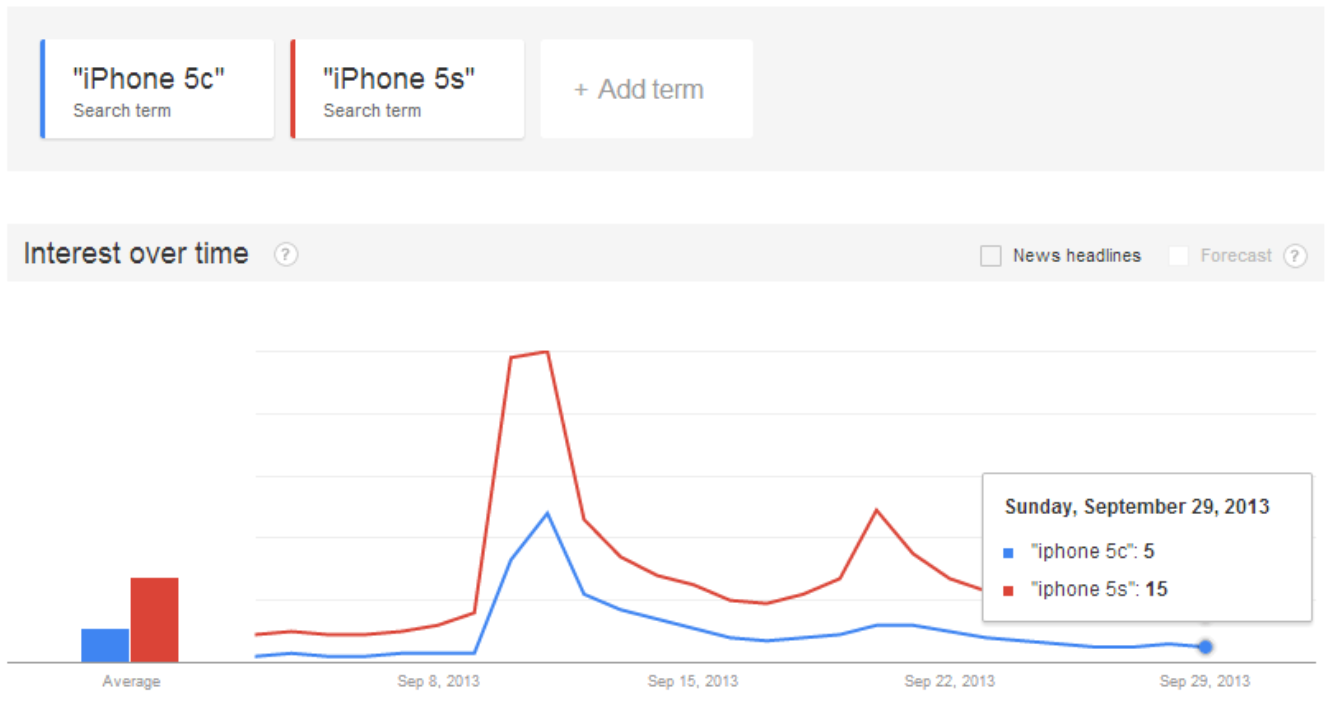
Given my company relies on being on top of consumer electronics trends, I had done 15 seconds of research a few days prior which had given me the same information:
This Google Trends information shows, in seconds, that the iPhone 5s is three times more popular than the iPhone 5c. This exactly correlates with the hundreds of hours of research and sales data analysis of non-readily available information that is exhibited in the Forbes articles. Much easier to do a 15 second look in Google Trends, isn’t it?
Any businessperson who is using old school market research techniques needs to wake up or move aside for someone who understands efficiency and accuracy.
Google Trends is a great tool that shows you comparative Google searches. This data is the equivalent of “brain to keyboard with no filter.” In my opinion, you can’t get better market research, especially for a company like Kogan which relies on servicing demand, rather than creating demand.
As a digital marketer, having the right information at your fingertips is critical for all sorts of business decisions. For instance:
1. We know that Air Conditioners sell better in summer and heaters sell better in winter :)
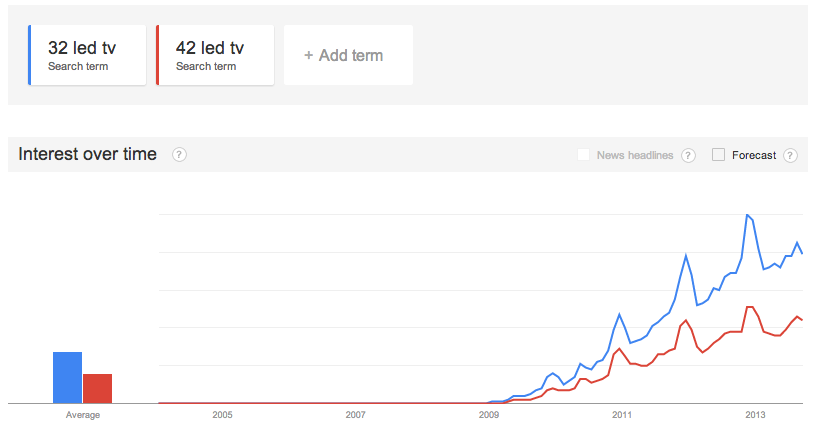
2. We know that we should be making twice as many 32″ LED TVs as 42″ LED TVs
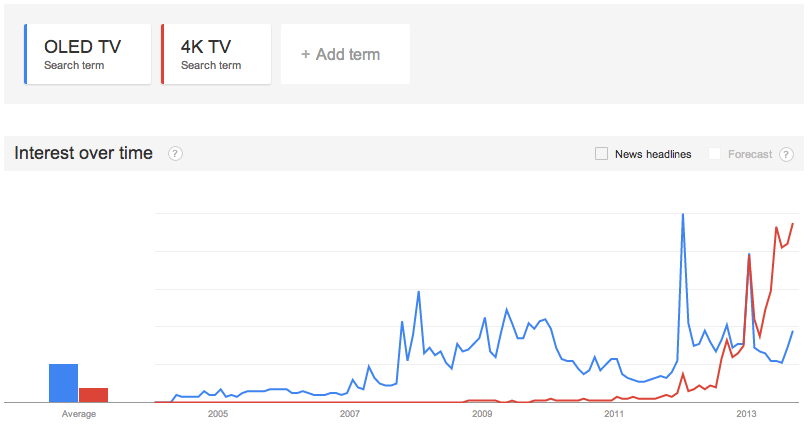
3. We know to concentrate on 4K TVs over OLED TVs as our next big product launch:
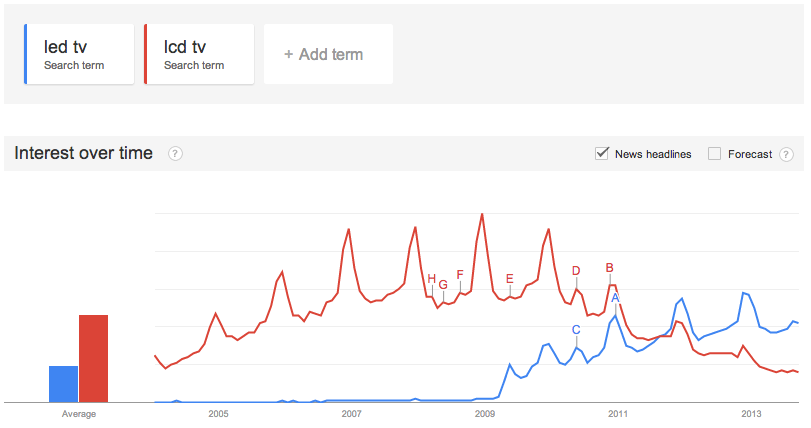
4. We knew in mid 2011 to slow down our production of LCD TVs and concentrate on LED TVs
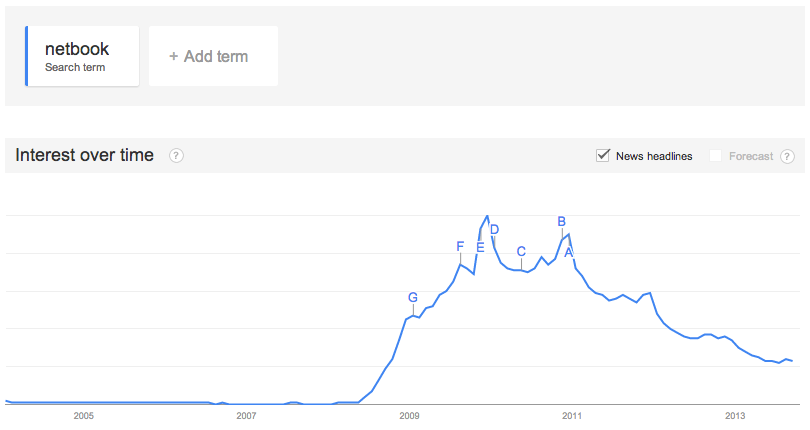
5. We launched the world first sub $500 Netbook in late 2008 and discontinued it in mid 2011
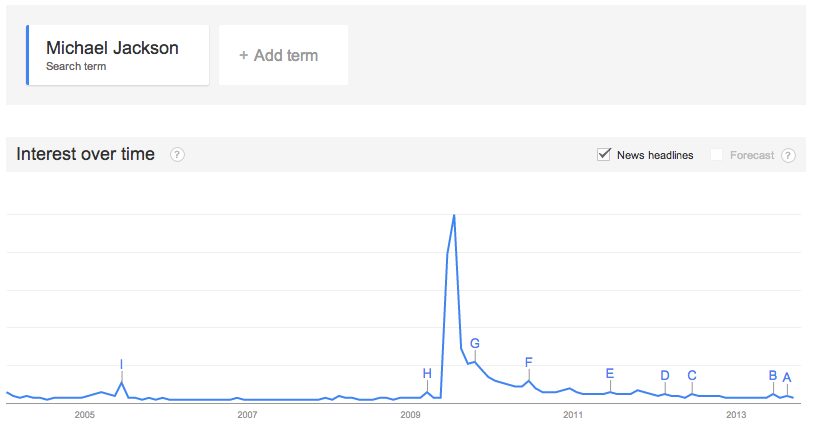
6. We know we’ve missed the boat if we want to sell Michael Jackson tshirts :)
As you can see, Google Trends is a marketers best friend. It gives you timely and accurate information which you can use to make real business decisions. Nothing beats brain to keyboard with no filter.
Don’t waste your time on old school reports produced using old school methodologies. At worst they are inaccurate, at best they are overpriced and inefficient.

What do you think of old school market research versus new methods like analyzing Google search data?

Why Google Trends is a market researcher’s best friend


Why Google Trends is a market researcher’s best friend
Focus groups are a thing of the market researcher's past
Market research is critical to every business. Traditional market research is based on sampling, such as focus groups, and very often delivers skewed results and bad information. What people say and what people actually do are two totally different things.
If they use their tools correctly, the new age of Internet marketers have a wealth of information at their fingertips that give them a significant advantage over the competition.
recent Forbes article (among others) suggested, and showed, that the iPhone 5s is three times more popular than the iPhone 5c. The article had a lot of graphs, research, and sales data from multiple sources in it. To compile all the information in the article would have taken hundreds of hours and cost thousands of dollars. My initial reaction after reading the article was, “No shit, Sherlock.”
Given my company relies on being on top of consumer electronics trends, I had done 15 seconds of research a few days prior which had given me the same information:
This Google Trends information shows, in seconds, that the iPhone 5s is three times more popular than the iPhone 5c. This exactly correlates with the hundreds of hours of research and sales data analysis of non-readily available information that is exhibited in the Forbes articles. Much easier to do a 15 second look in Google Trends, isn’t it?
Any businessperson who is using old school market research techniques needs to wake up or move aside for someone who understands efficiency and accuracy.
Google Trends is a great tool that shows you comparative Google searches. This data is the equivalent of “brain to keyboard with no filter.” In my opinion, you can’t get better market research, especially for a company like Kogan which relies on servicing demand, rather than creating demand.
As a digital marketer, having the right information at your fingertips is critical for all sorts of business decisions. For instance:
1. We know that Air Conditioners sell better in summer and heaters sell better in winter :)
2. We know that we should be making twice as many 32″ LED TVs as 42″ LED TVs
3. We know to concentrate on 4K TVs over OLED TVs as our next big product launch:
4. We knew in mid 2011 to slow down our production of LCD TVs and concentrate on LED TVs
5. We launched the world first sub $500 Netbook in late 2008 and discontinued it in mid 2011
6. We know we’ve missed the boat if we want to sell Michael Jackson tshirts :)
As you can see, Google Trends is a marketers best friend. It gives you timely and accurate information which you can use to make real business decisions. Nothing beats brain to keyboard with no filter.
Don’t waste your time on old school reports produced using old school methodologies. At worst they are inaccurate, at best they are overpriced and inefficient.

What do you think of old school market research versus new methods like analyzing Google search data?

Popular Posts